
Home Inspection Guide for Toronto Resale Buyers: What to Check, When to Walk
A home inspection is one of the most valuable tools available to a resale buyer in Toronto — and one of the most frequently skipped during competitive market conditions. This guide explains what a home inspection covers, how to find a qualified inspector, what red flags mean in terms of negotiating leverage or deal-breaking risk, and when waiving an inspection is a risk worth taking versus a mistake you'll regret.
What a Home Inspection Covers
A standard home inspection is a visual assessment of a property's physical condition by a trained inspector. It covers the major systems and structural elements of the home — but it is not an exhaustive technical investigation, and it does not include things behind walls, under floors, or inside mechanical systems that would require disassembly to access. Understanding what inspectors can and cannot see is important for setting realistic expectations.
Structure and foundation: the inspector will examine visible foundation walls (typically in the basement), look for signs of settlement or cracking, and assess the structure of floors, walls, and the roof framing where visible from the attic or interior.
Roof: the inspector examines the roof covering (shingles, flat membrane, etc.), flashings, gutters, and downspouts — typically from the ground with binoculars or from the roof surface if safely accessible. They assess the approximate remaining life of the roof covering and note any immediate deficiencies.
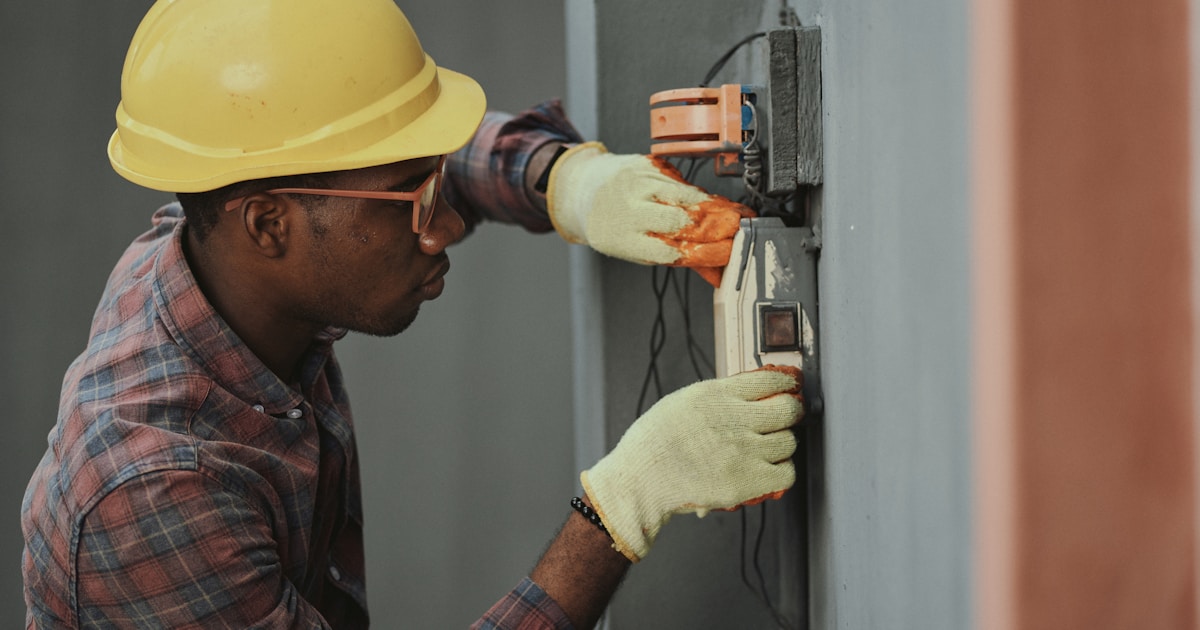
Electrical: the inspector reviews the main electrical panel, wiring types visible in accessible areas, outlets, and general compliance with safety standards. Knob-and-tube wiring, aluminum wiring, and undersized panels are common items that generate concern in older Toronto homes.
Plumbing: visible water supply and drain lines, the water heater, and fixtures are assessed. The inspector notes the type of supply pipe (copper, galvanized, or plastic), any visible leaks, water pressure issues, and the age and condition of the water heater.
Heating and cooling: the furnace, air conditioner, and visible ductwork are assessed. The inspector notes the approximate age and condition of each unit and any signs of malfunction or maintenance neglect.
Insulation and ventilation: the attic is inspected for insulation depth, vapour barrier, and ventilation — inadequate attic ventilation is a common cause of moisture problems in Toronto's climate. Basement insulation and crawl space conditions (where present) are also noted.
Windows, doors, and exterior: the inspector checks windows for seal failure (the foggy-glass look indicating failed thermal seals), door operation and weatherstripping, siding or cladding condition, grading around the foundation, and drainage patterns.
How to Find a Qualified Home Inspector in Toronto
In Ontario, home inspectors are regulated under the Home Inspection Act, 2017, which came into force in 2021. Inspectors must meet education requirements, carry errors and omissions insurance, use a provincially-approved standard of practice, and provide buyers with a written report. When selecting an inspector, look for membership in a recognized professional association (OAHI — Ontario Association of Home Inspectors, or CAHPI — Canadian Association of Home and Property Inspectors), and verify they are licensed under Ontario's regulatory framework.
Ask your Realtor for recommendations, but also feel free to book your own inspector independently. The right inspector is one you trust — experienced, thorough, and willing to walk you through findings and explain their implications, not just hand you a report and leave.
Red Flags: What Warrants Concern, What Warrants Walking Away
Not every inspection finding is equal. Understanding the spectrum — from minor maintenance items to serious deal-breakers — helps you make a rational decision about how to proceed after an inspection.
Deferred maintenance: aged roof shingles, failing caulking, peeling paint, and worn weatherstripping are typically negotiating chips — real costs, but manageable. Use these to request a price adjustment or a seller credit rather than walking.
Major mechanical replacements: a 25-year-old furnace, a water heater past its expected life, or an AC unit that isn't functioning are real upcoming costs. Get quotes before closing and use the numbers in your negotiation.
Moisture intrusion and water damage: active water leaks, visible mold, efflorescence on basement walls, and signs of past flooding are red flags that warrant further investigation — ideally by a specialist — before closing. Moisture problems in Toronto basements are common and often manageable, but their scope can range from cosmetic to catastrophic, and you need to know which you're dealing with.
Knob-and-tube wiring: very common in older Toronto homes, knob-and-tube wiring is a concern because it lacks a ground wire, may be deteriorated, and is often uninsurable without an electrical inspection confirming it's in safe condition. This warrants an electrician's assessment and may be a significant cost item.
Foundation movement: horizontal cracking or bowing in a foundation wall is a structural red flag requiring a structural engineer's assessment before proceeding. This is one of the few categories where "walk away unless you know exactly what you're dealing with" is genuinely appropriate advice for most buyers.
Waiving the Inspection: When It's a Calculated Risk vs. a Mistake
In competitive Toronto markets, buyers are sometimes advised or pressured to waive home inspection conditions to make their offer more competitive. This is a real trade-off, not simply a bad decision. Understanding the risk you're accepting matters.
For newer homes in good visible condition — a recent renovation, a newer build, or a property with clear disclosures — the downside risk of waiving is more limited. For older homes, properties with visible deferred maintenance, or homes where the basement or mechanical condition is unclear, waiving an inspection means accepting unknown costs that could be significant.
A middle ground: some buyers arrange a pre-offer inspection (completed before submitting their offer) so they can waive the condition without losing the knowledge. This requires timing and a seller willing to accommodate pre-offer access, but it's a legitimate strategy your Realtor can help negotiate.
Frequently Asked Questions
How much does a home inspection cost in Toronto?
A standard home inspection for a condo or small house in Toronto typically runs $400–$600. Larger homes, century homes, or properties with additional structures will be at the higher end. Specialized inspections — WETT (wood stove), radon, mold testing, structural engineering — are additional costs. The inspection cost is modest relative to the information it provides.
Do condos get home inspections?
Yes, though a condo inspection is more limited in scope than a house inspection — the inspector focuses on the individual unit rather than the building's common elements (which are the condo corporation's responsibility). In a condo, the inspector will assess in-suite mechanical systems, the condition of finishes, windows, electrical within the unit, and any visible moisture issues. The building's overall health is assessed separately through the status certificate review.
What is a pre-listing inspection and should I ask for one as a buyer?
A pre-listing inspection is commissioned by the seller before listing the property, and the report is made available to buyers. It's useful as background information, but as a buyer you should be cautious about relying exclusively on a seller-commissioned inspection — the inspector was engaged by the other party, and the report reflects their interests. If available, review it, but consider whether a buyer-engaged inspector would provide additional reassurance given the specific property and what's at stake.
This guide is for general informational purposes and does not constitute legal, financial, or professional inspection advice. Always engage a qualified, licensed home inspector for your specific property purchase.
Ready to Take the Next Step?
Create your free, secure account at www.VIPCondosToronto.net for full MLS access, real-time sold data, and VIP pre-construction pricing and floor plans — the same tools our team uses every day.
For personalized advice on your specific Toronto buying or selling situation, contact Frank Merigliano and the VIP Condos Toronto team directly:
Phone: 416-885-0172
Email: frank@vipcondostoronto.net
Web: www.VIPCondosToronto.net
Frank Merigliano, Team Leader / Sales Representative, VIP Condos Toronto, RE/MAX PREMIER INTERNATIONAL INC., Brokerage — licensed since 1993, with RE/MAX since 1995, and a Top 50 RE/MAX team in Canada since 2015.
Have questions?
Want to know more about Home Inspection Guide for Toronto Resale Buyers? Send me a message and I'll get back to you within 24 hours.